
Pakistan Cricket Board Launches Probe into Mohammad Nawaz Drug Test Failure
Authored by baaballufabet.com, 23/04/2026
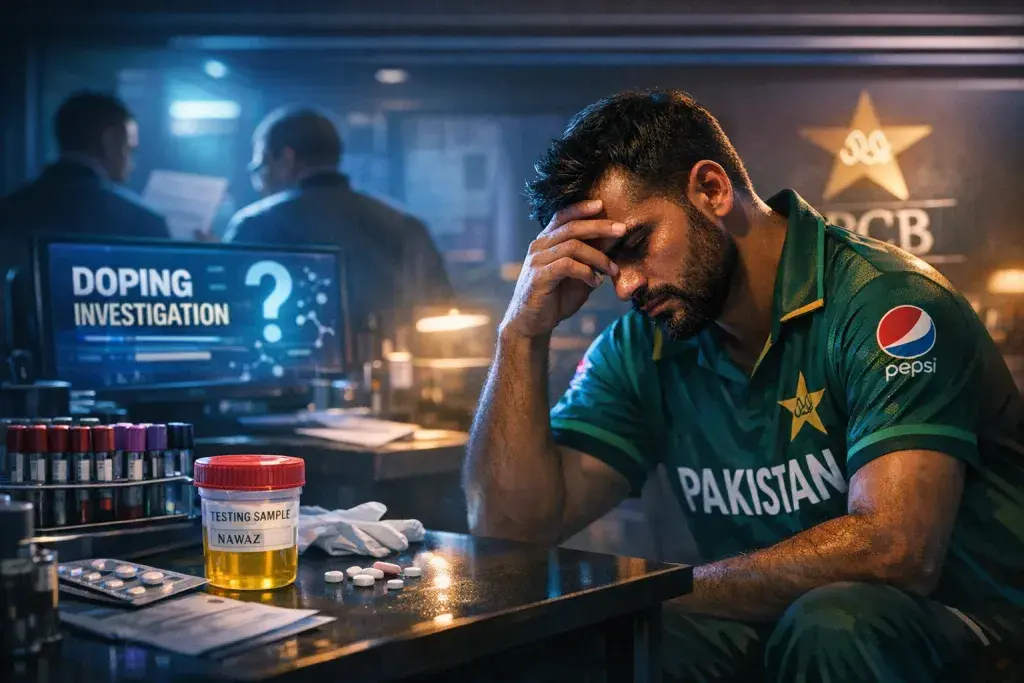
Mohammad Nawaz, a prominent figure in Pakistan's cricket setup, has failed a routine drug test administered by the Pakistan Cricket Board. This violation places him under formal investigation for a doping offense, triggering immediate scrutiny of his conduct. The incident underscores persistent challenges in upholding integrity protocols within high-profile national programs.
Routine Testing Exposes Breach
All active participants in Pakistan's cricket activities undergo periodic drug screenings as mandated by the board's code of conduct. Nawaz's positive result emerged from one such standard procedure, confirming the presence of a prohibited substance though specifics remain undisclosed pending inquiry. Such tests align with international anti-doping standards designed to deter performance-enhancing agents that compromise fair competition.
Investigation Triggers Potential Sanctions
The board's probe will determine the substance involved and assess intentional use, drawing on forensic analysis and player statements. Outcomes could range from temporary suspension to lengthy bans, depending on violation severity and any mitigating factors like accidental ingestion. Historical precedents show boards imposing strict penalties to reinforce zero-tolerance policies against doping.
Broader Integrity Challenges Emerge
This case revives questions about vigilance in Pakistan's cricket environment, where prior investigations have highlighted lapses in discipline among key contributors. Doping incidents erode public trust and invite regulatory oversight from global bodies enforcing uniform standards. For Nawaz, a guilty finding risks derailing career progression, amplifying pressure on the board to balance accountability with rehabilitation opportunities.
Implications for Oversight and Prevention
Enhanced monitoring, including unannounced tests and education campaigns, often follows such revelations to prevent recurrence. The episode signals the need for robust systems addressing root causes like access to banned substances or inadequate awareness. Ultimately, the board's response will shape perceptions of its commitment to clean conduct in national endeavors.